



Presidential Innovation Fellow alumni continue their careers within the federal government
Former PIFs reflect on their experiences and how the program inspired them to remain in public service
The Presidential Innovation Fellows program (PIF) is a full-time, paid fellowship based in Washington, DC. The 1-2 year program selects talented, mission-driven mid-to-senior-level technologists to serve as advisors at the GS-15 level to leaders in the federal government.
The program unites experienced and dedicated data scientists, designers, engineers, executives, and technology strategists with forward-thinking federal agencies to help solve our nation’s most difficult challenges by delivering better products, services, and experiences to the American public.
Since PIF’s founding in 2012, over 50% of PIF alumni continue in or return to government after their fellowship. Using their experience in the program, PIFs have made significant impacts across several agencies and governmental departments as they continue their careers in public service.
BECKY SLOGERIS
Former: PIF at the Department of Justice (DoJ) focusing on social impact design Current: Senior Design Lead at the Department of Justice’s Access DOJ
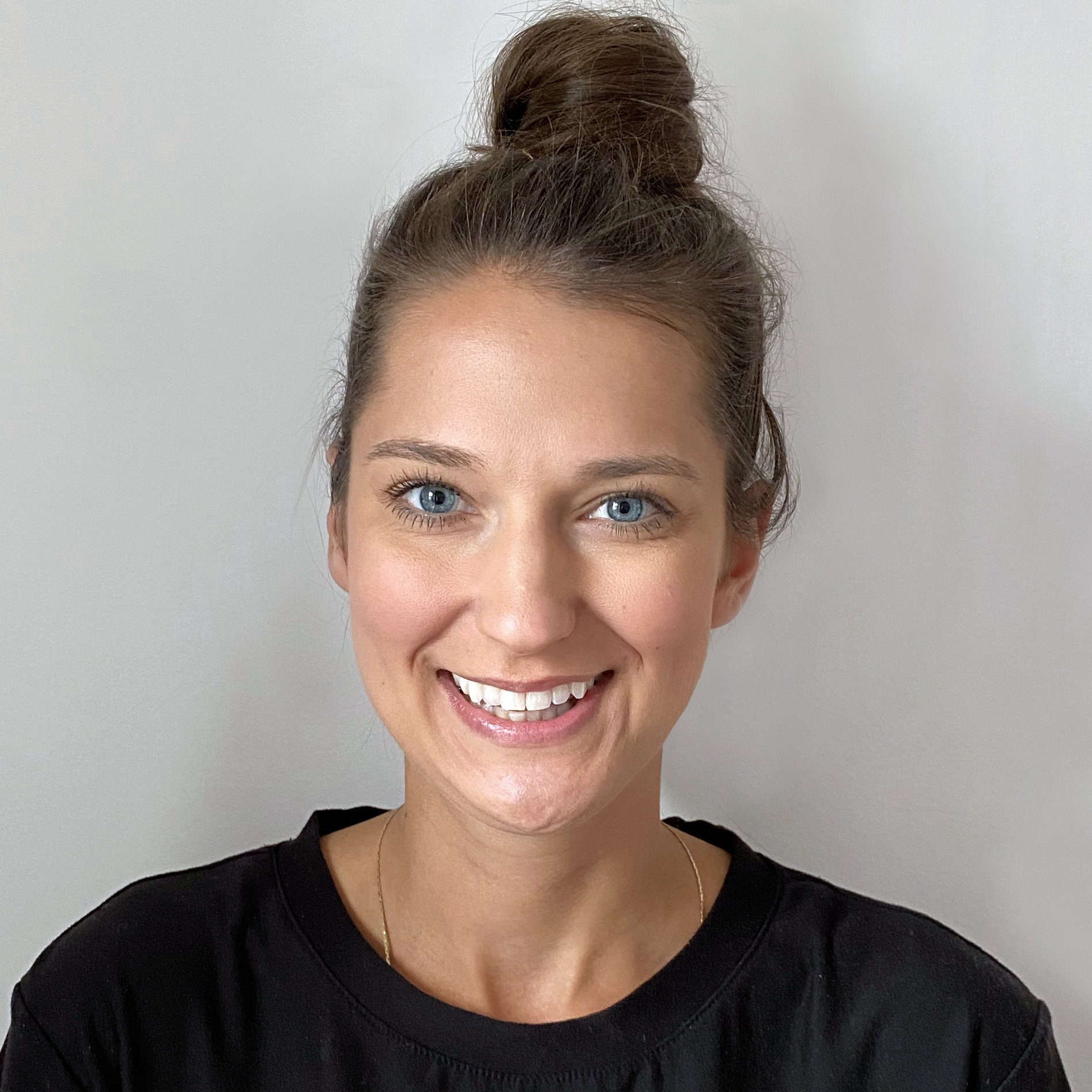
“My proudest moment as a PIF was launching Access DOJ, the Department of Justice’s human-centered design and customer experience initiative, in collaboration with my team at the Office for Access to Justice. This was the culmination of over two years of building relationships, demonstrating the value of design, honing the value proposition, and strategizing on how to best bring Human Centered Design (HCD) & Customer Experience (CX) to the DOJ.
The best part about being in public service is that every win, even if it’s small, feels monumental because you know it’s part of a larger movement to help make government more accessible, effective, and efficient for the public. PIF showed me that true change in government can only happen in collaboration with civil servants. There’s a huge learning curve when you join the federal government – PIF gave me the support and skills needed to be able to jump right in and get to work.”
KAELI YUEN
Former: PIF at the Department of Veterans Affairs (VA) focusing on research, product management, and health information technologies. Current: Acting Deputy Director at the Veteran Affairs Office of the Chief AI Officer

“My proudest PIF-related moment happened a few years after I finished my tour of duty as a PIF. Following the program, I returned to the private sector for several years before coming back to the VA Office of the CTO to join its newly-minted AI team. Upon my return, I learned that my zero-to-one PIF project, the Clinical Decision Support Platform (CDSP), which is the core system to power clinical decisions, had grown into a robust platform that impacts every VA Medical Center in the country. I am extremely proud of that work and of the stellar team at VA that did the hard work of post-pilot scaling. My second proudest moment is successfully preparing a gourmet five-course meal for a large group of PIFs after losing a bet!
Joining PIF was the best career decision I’ve made. At the time I received my offer, I was deciding between PIF and an offer at a healthcare startup. I ultimately decided to pursue PIF to expand my horizons and gain exposure to a diverse network of Fellows with whom I’d never cross paths with otherwise. I have learned a lot from their perspectives, and am thrilled to be back at the VA again working on a team with many other former PIFs.”
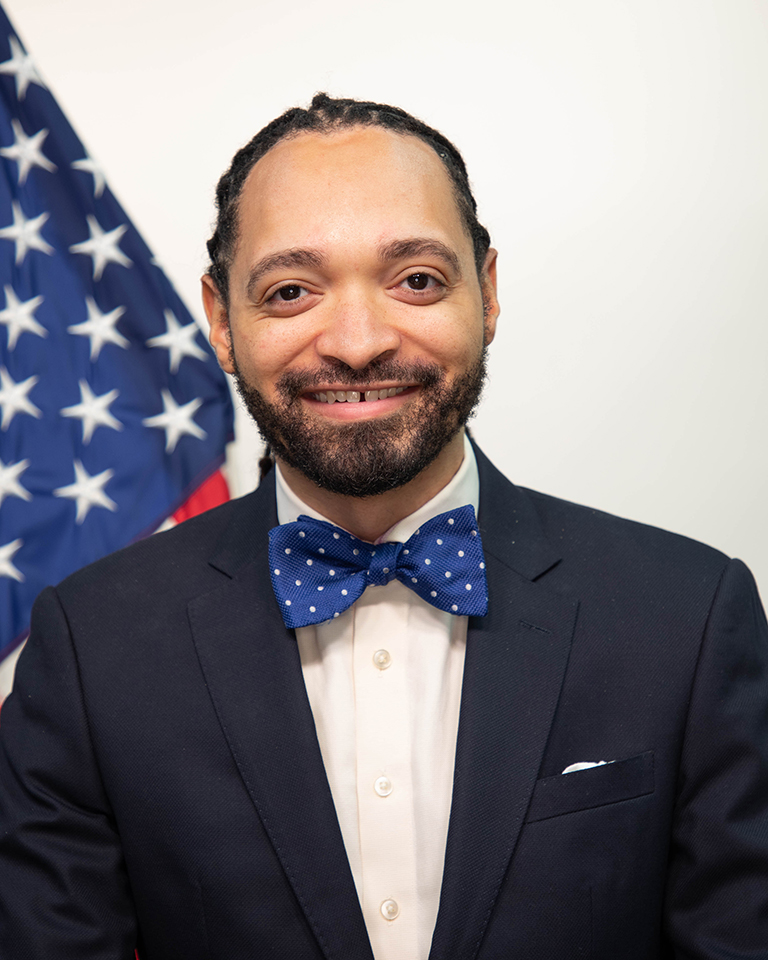
RYAN HARRISON
Former: PIF at Centers for Disease Control and Prevention (CDC) focusing on enterprise architecture and data management Current: Data Scientist Architect at the CDC
Read the Health+ Long COVID Report, and share it with your colleagues, partners, and loved ones. To keep the dialogue going, follow
“As a PIF, I designed the data exchange portion of the CDC’s data modernization initiative. Seeing real data flow more efficiently through the ‘exchange pipes’ I designed and led a team to implement was the highlight of my PIF experience. For example, the National Center for Immunization and Respiratory Diseases (NCIRD) awarded our team, as well as the data exchange system we worked on, its 2023 Excellence in Information Technology award for ‘the remarkable expansion of the immunization data exchange.’
My favorite part about being in public service is the impact. While the day-to-day work is usually mundane, I am contributing to generational improvements in public health. In 1924, tuberculosis was one of America’s top five killers, causing the death of nearly 100,000 Americans. Today, it kills fewer than 1,000 Americans a year and has long since passed from the list of top killers. Improvements in health and life-expectancy are not natural law and cannot be assumed. Preserving and furthering generational improvements in public health requires constant vigilance. The public health data systems I support make this vigilance possible so that future generations may live healthier, longer, more fulfilled lives.”
